
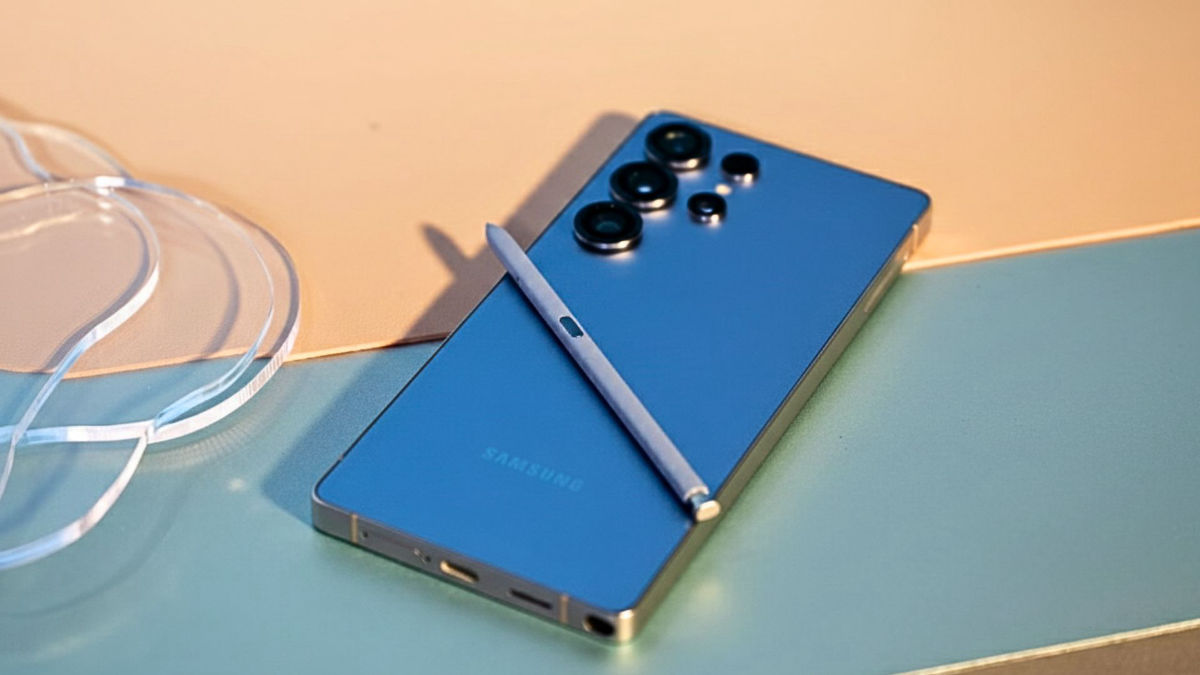
The Samsung Galaxy S25 lineup, including the regular S25, S25 Plus, and S25 Ultra models, was launched during Samsung’s Galaxy Unpacked presentation on January 22, 2025, in San Jose, California, with a complete launch on February 7. Later, Samsung added more models to the series, including the S25 Edge in May and the S25 FE in September, which is a more affordable option. With a starting price of $799 for the basic variant, it was positioned as a high-end yet affordable flagship.
Table of Contents
Design and Modern
Design-wise, the S25 series embraced a refined, minimalist aesthetic with flat edges, rounded corners, and a matte finish that resists fingerprints. The standard S25 weighs in at a featherlight 162g, making it one of the most portable flagships around. Built with durable Gorilla Glass and an IP68 rating for water and dust resistance, it can survive submersion up to 1.5 meters for 30 minutes. Colors like Midnight Blue, Silver Shadow, and exclusive online shades added flair. Even in 2026, its build quality feels premium, though the S26’s rumored aluminum frame tweaks might edge it out for some.
Samsung Galaxy S25 Display
The display remains a highlight. The base S25 sports a 6.2-inch Dynamic AMOLED 2X screen with Full HD+ resolution (2340 x 1080), a 120Hz refresh rate, and peak brightness hitting 2,600 nits – perfect for outdoor viewing. The S25 Plus ups it to 6.7 inches with QHD+, while the Ultra boasts a massive 6.9-inch panel. Adaptive refresh rates ensure smooth scrolling and gaming without draining the battery. Users report no grainy issues, a common complaint with earlier models, and the anti-reflective coating minimizes glare.
Snapdragon 8 Elite
Under the hood, the Snapdragon 8 Elite processor fuels the series, offering a 37% CPU performance boost and 30% GPU enhancement compared to the previous generation. Paired with 12GB RAM and storage ranging from 128GB to 512GB (1TB on Ultra), it performs all tasks, including multitasking, 4K video editing, and AI processing, with ease. In the 2026 benchmark tests, it still beats most mid-range smartphones, although the S26’s Snapdragon 8 Elite Gen 5 processor promises even quicker performance. Battery performance is also good, with the 4,000mAh battery in the S25 lasting a whole day with moderate usage, thanks to 25W fast wired and faster wireless charging, including Qi2 support.
Camera
Cameras were a big upgrade, especially on the Ultra with its 200MP main sensor, 50MP ultra-wide (a jump from 12MP), 50MP 5x telephoto, and 10MP 3x lens. The ProVisual Engine enhances low-light shots and 4x macro mode, while AI tools like Generative Edit let you tweak photos intelligently. The base models feature a 50MP main, 12MP ultra-wide, and 10MP telephoto, delivering vibrant, detailed images. Video recording hits 8K at 30fps, with features like Audio Eraser for cleaner sound.
Software Update
Software is where the S25 truly excels. Running One UI 7 on Android 15 at launch, it introduced multimodal Galaxy AI agents for contextual assistance, Live Translate, and personalized experiences. Samsung promises seven years of updates, so in 2026, it’s already received Android 16 betas, keeping it fresh. Compared to the S26’s One UI 8.5, the S25’s AI feels intuitive, though newer models add privacy screens and refined notifications
Final Verdict
A year later, the Samsung Galaxy S25 series remains a smart buy, especially with prices dropping post-S26 launch. It’s ideal for those seeking reliable performance without the latest hype. If you’re upgrading from an S23 or older, the AI smarts and camera leaps are game-changers. For bleeding-edge tech, wait for the S26’s March 11 release. Overall, the S25 proves Samsung’s formula: innovative, durable, and future-proof.