
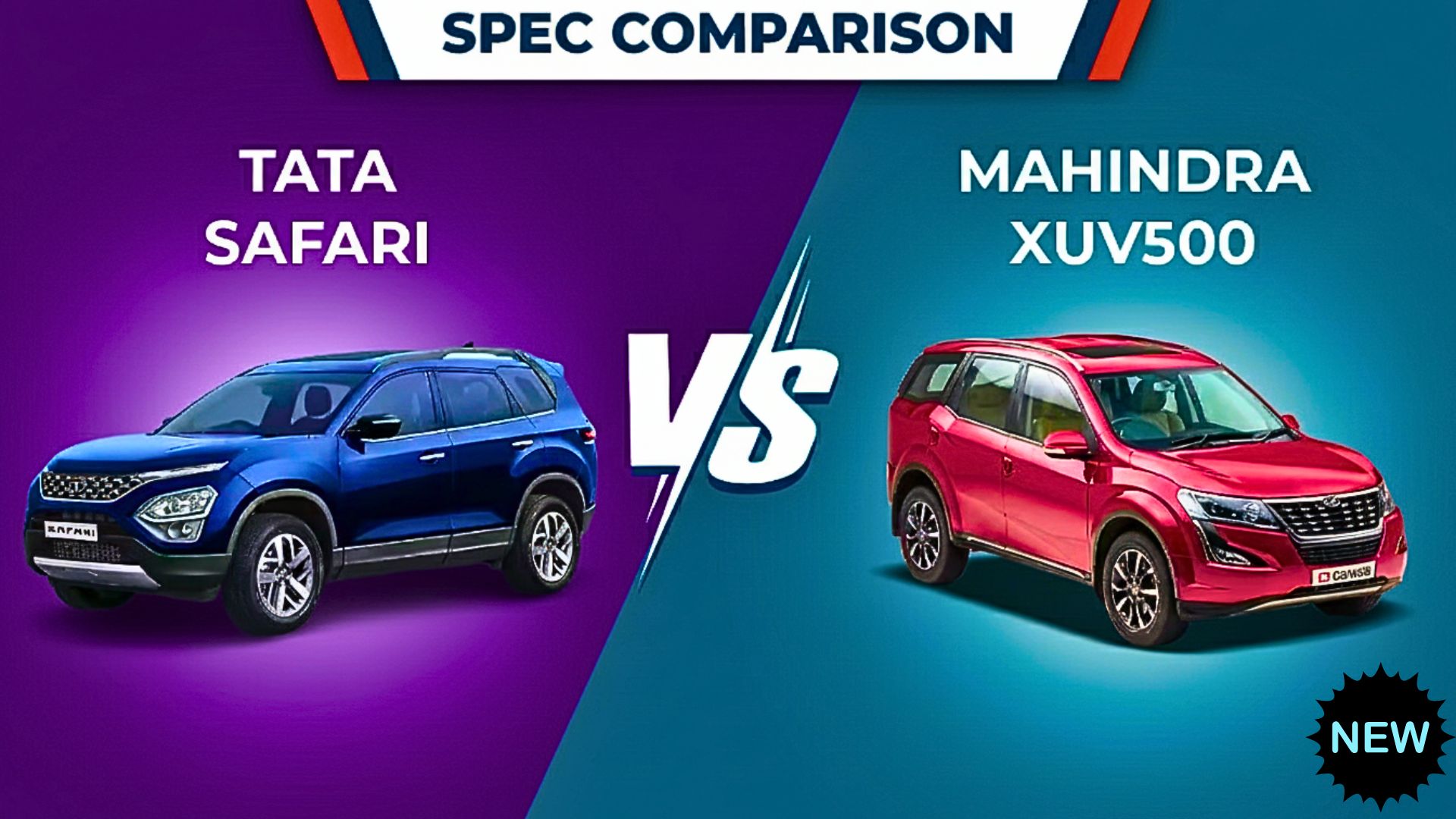
The Indian SUV market is heating up like never before, and two of the most anticipated models of 2025 are the Mahindra XUV 5XO vs Tata Sierra. Both SUVs promise strong performance, premium features, and modern design, targeting buyers who want capability paired with cutting-edge technology. Whether you’re upgrading to a larger SUV or planning to switch brands, this comparison will help you understand which model offers superior value.
Table of Contents
Design and Exterior Styling
Mahindra XUV 5XO
The XUV 5XO’s aggressive, muscular stance, distinctive LED headlamps, and bold front fascia all adhere to Mahindra’s most recent design philosophy. Younger customers are drawn to its sporty silhouette and crisp character lines. Its premium road presence is further enhanced by the dual-tone body options and chrome-accented grille.
Tata Sierra
The Tata Sierra’s futuristic reimagining of an iconic nameplate brings it back to life. A contemporary LED light bar and tough body cladding have been incorporated into the coupe-like rear glasshouse, which pays homage to the original Sierra. The Sierra is one of the most eye-catching SUVs in its class thanks to Tata’s “Impact 2.0” design language.
Interior, Comfort & Features
Cabin Experience
The XUV 5XO’s interior combines luxury and functionality. Comfort is increased by a panoramic sunroof, ventilated seats, and premium soft-touch materials. Mahindra has a tech-forward vibe thanks to its dual-screen configuration, which includes a large touchscreen and a digital instrument cluster.
In contrast, the Tata Sierra places a strong emphasis on elegant yet simple interior design. Ambient lighting, a simple dashboard design, and sustainable materials all contribute to the peaceful cabin ambiance. Excellent cushioning is provided by the Sierra’s seats, and the rear cabin feels a little more spacious.
Technology & Features
A 360-degree camera, dual-zone climate control, wireless charging, ADAS Level 2, and an advanced infotainment ecosystem driven by Mahindra’s AdrenoX platform are all features of the Mahindra XUV 5XO.
Similar high-end features, such as ADAS, connected car technology, a large floating touchscreen, wireless smartphone connectivity, and a full safety suite with six airbags, are anticipated to be available in the Tata Sierra
Performance, Engine Options & Efficiency
In keeping with its reputation for performance-focused engines, Mahindra is probably going to provide the XUV 5XO with both turbo-petrol and diesel drivetrains. Anticipate multiple drive modes, smooth acceleration, and refined power delivery.
It is anticipated that Tata’s Sierra will be available in both ICE and EV versions, providing customers with a variety of options. With a range of over 450 kilometers on a single charge, the electric Sierra is a very practical vehicle for use on highways and in cities. Tata’s turbo-petrol engine may be tuned for efficiency and reduced emissions in its ICE version
Safety Features
With features like these, both SUVs put safety first:
Advanced Driver Assistance Systems, or ADAS
Six to eight airbags
Control of traction and stability
Child seat mounts that are ISOFIX
Strong body composition
The Sierra is anticipated to carry on the tradition of Tata models receiving high Global NCAP ratings.
Pricing & Expected Launch
Depending on the model and engine options, the Mahindra XUV 5XO is anticipated to start at about ₹15–18 lakh. Because of its premium positioning and battery technology, the Tata Sierra, particularly the EV version, may cost a little more at ₹17–22 lakh. xuv 5xo vs tata sierra
Final Verdict: XUV 5XO or Tata Sierra?
Your priorities will determine which option you choose
If you want a sporty-looking SUV with lots of features and a variety of engine options, go for the Mahindra XUV 5XO.
If you like eco-friendly EV options, futuristic design, roomy interiors, and a distinctive road presence, go for the Tata Sierra.
Both SUVs are unique in their respective markets, and driving preferences, powertrain requirements, and brand affinity will ultimately determine which one is purchased.XUV